
Wild West Weekender - day 1 route
Wild West Weekender day 1 - route details
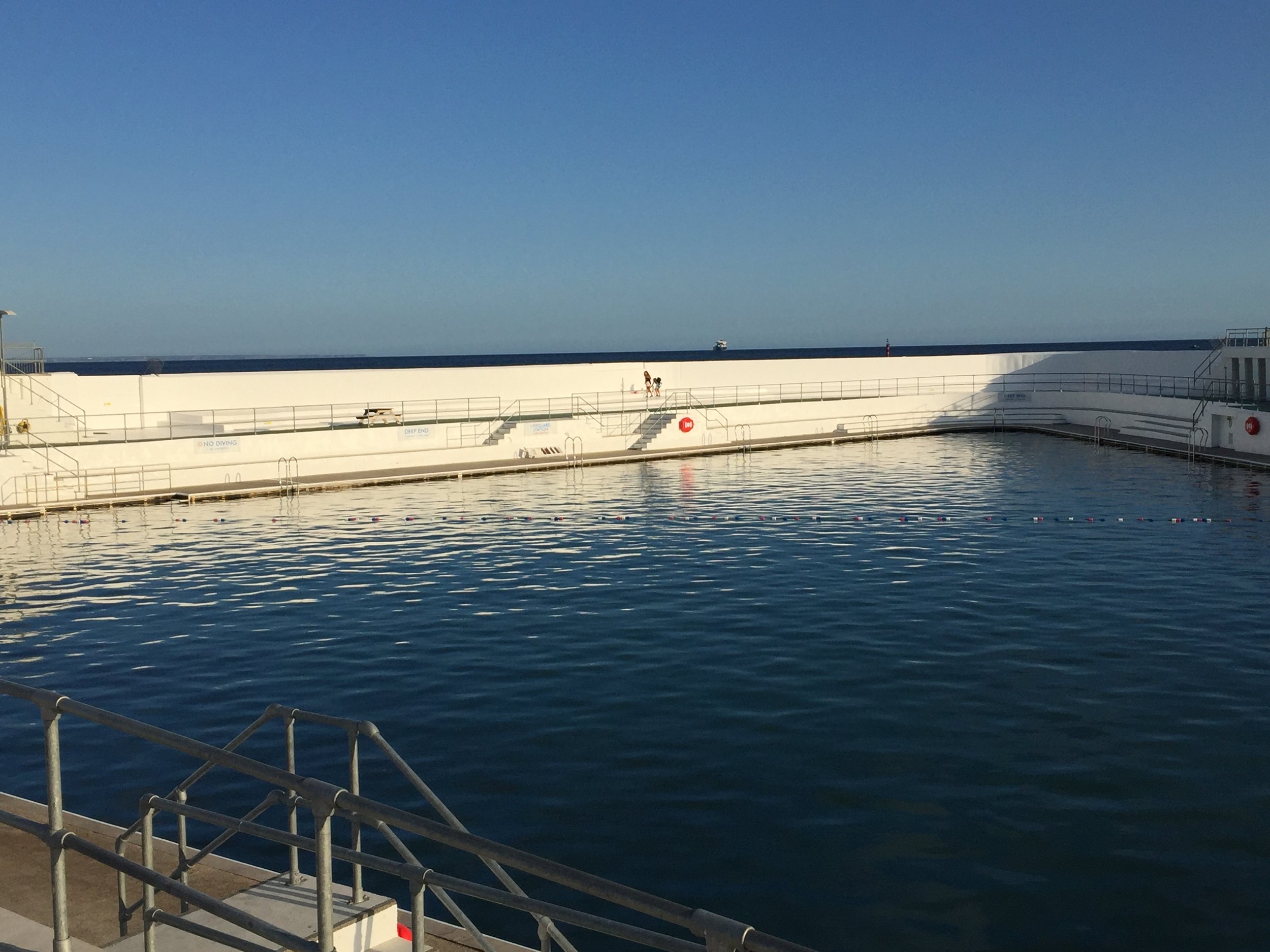
After registration at the Youth Hostel our ride starts in Penzance at the Jubilee pool on the promenade.
Jubilee pool - is the UK’s largest seawater lido - opened in 1935 to celebrate King George V Silver Jubilee. In 2020 the new thermal pool section was opened.
We ride along the coast towards Mousehole.
Newlyn - is one of the UK’s busiest fishing ports and markets - it also houses the ordnance tidal observatory it is where sea level height is determined for the UK the building is situated on the South Pier. Newlyn is also home to the Newlyn School of Art
Between Newlyn and Mousehole sits the Penlee Lifeboat station - the 1981 disaster saw the loss of 8 crew members all local men - the station is no longer used but remains intact in memory of the brave volunteers.
Mousehole is a small fishing village - famous for its cat and star gazy pie and the 1595 Spanish Raid which saw the village burned to the ground - only one building remained - the Keigwen Arms Mousehole also was home to the last native Cornish speaker Dolly Pentreath
From Mousehole we climb out of the village looking back towards Mounts Bay, following a network of small lanes we drop down into Lamorna.
Lamorna Cove - the current granite quay was built in the 19th century - to help ship the high grade granite that is found in the region - a lot of the granite was used to construct some of Londons most iconic buildings and also Victoria Embankment In the 20th century Lamorna established itself as an artists colony particularly the Newlyn School post-impresionists
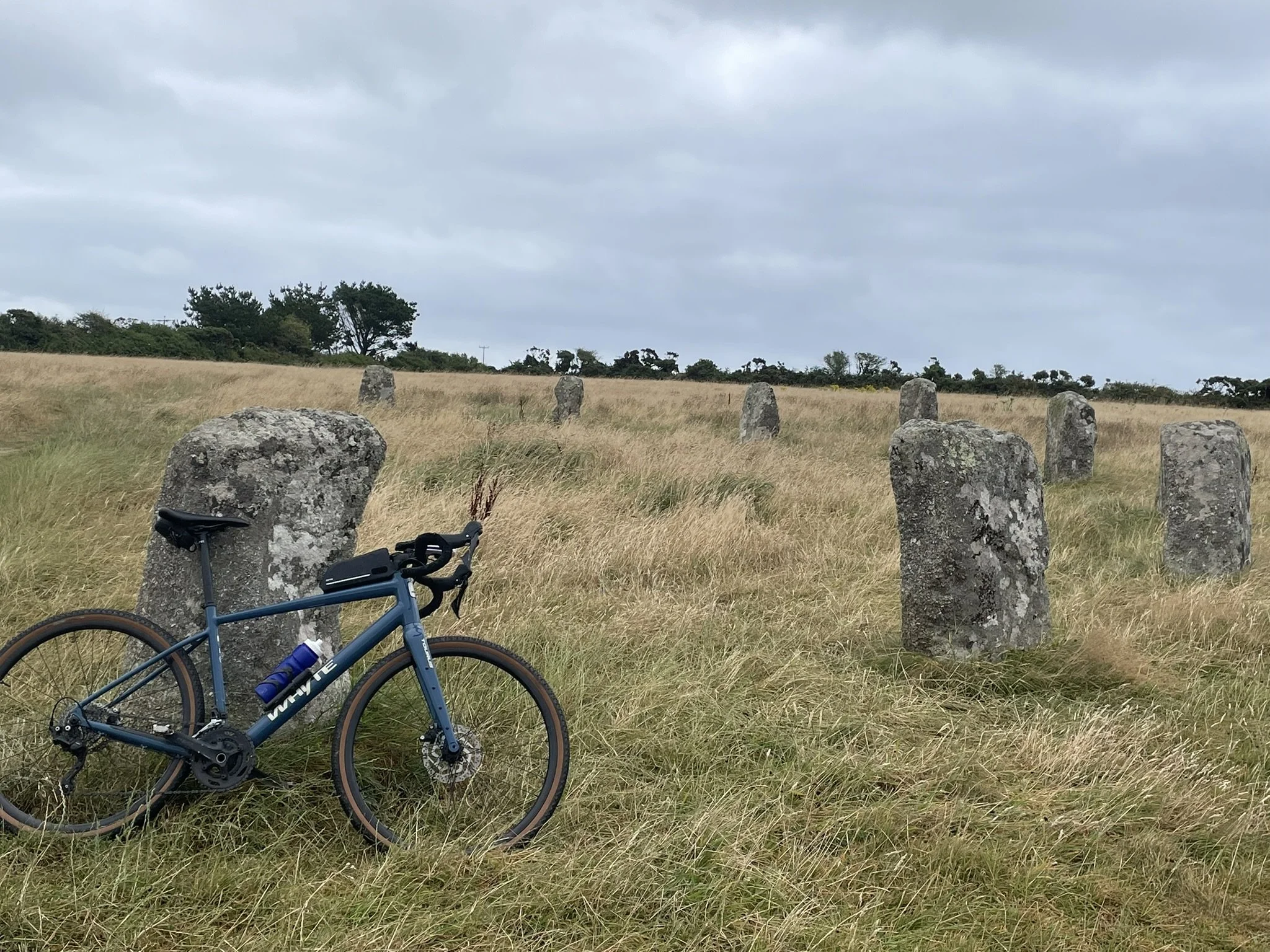
Another climb out of the Cove to pass by the Merry Maidens
Merry Maidens is one of the regions best known neolithic sites comprising 19 precisely spaced stones - local folklore says the stones are 19 maidens who were turned to stone for dancing on the sabbath. Two additional standing stones nearby are said to be that of the musicians.
We follow along the coastal road passing near to Porthcurno and picking up the cycle way from Lands End towards Sennen.
Porthcurno - is the home of the world famous telegraph museum - the cove at Porthcurno was used by the Cable and Wireless company to link undersea cables creating a communication network across the world. Porthcurno also is the closest village to the Minack Theatre set into the cliffs the open air theatre built in the 1930’s
Sennen Cove - is the first beach on the North Coast of the UK, medival folklore reports King John landed here on his return from Ireland in 1185 - it was also renowned for its smuggling history and the name of the pub on the shore line - The Old Success Inn might be a sign of how lucrative this was. In 1859 the lifeboat station was established.
From Sennen we have a short ride along the A30 before picking up some trails across from Chapel Carn Brea to Carn Euny.
Chapel Carn Brea - is one of the highest points on the end of the peninsula - its promeniece has seen it used as a lighthouse (Cornwalls earliest in 1396) and later home to Harry the Hermit - there was a chapel on the hill until 1816 and sadly the remnants of this were destroyed by accident in WW2 when a look out post was placed on the top of the hill.
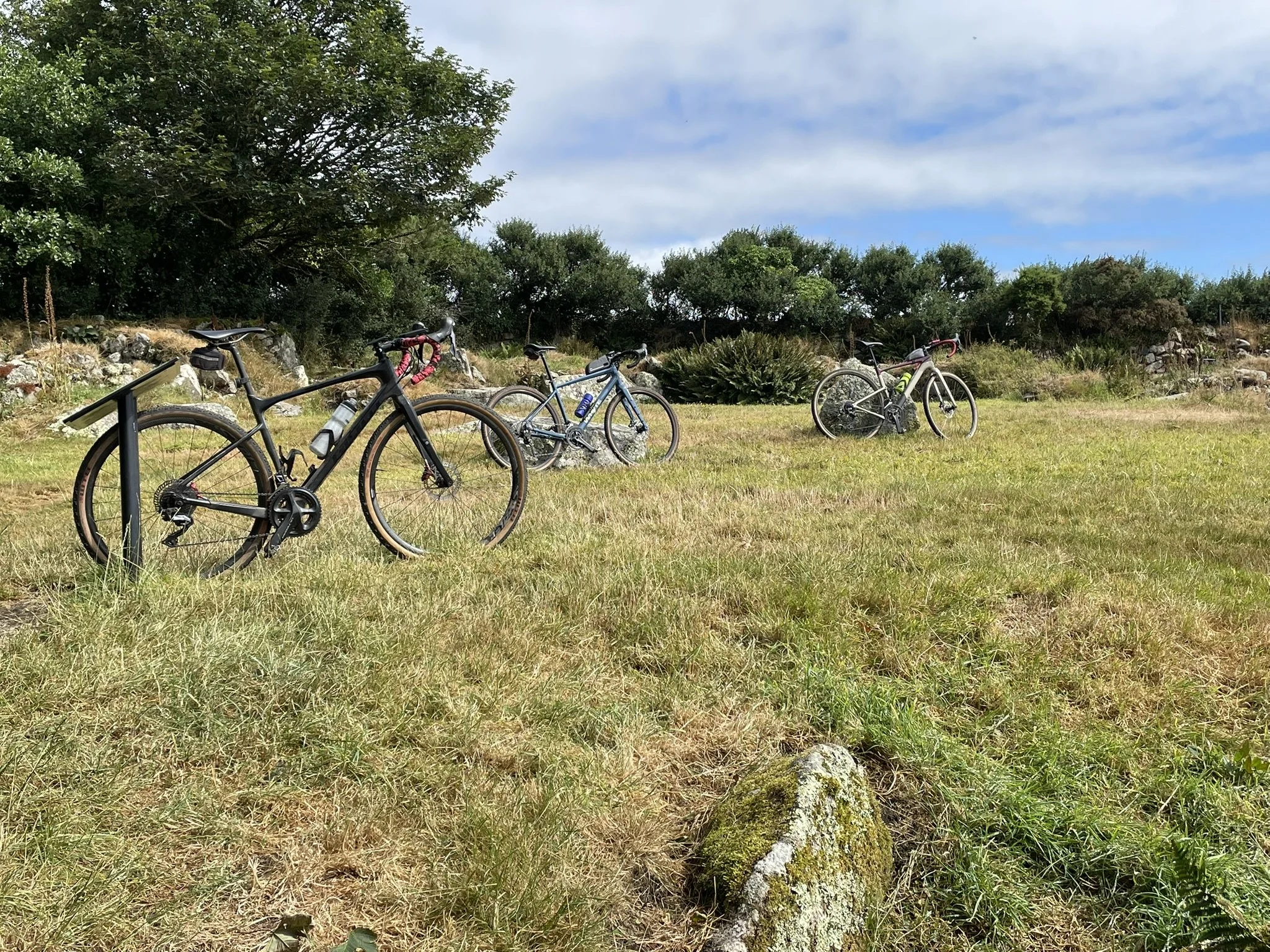
Carn Euny is one of the most famous neolithic sites in the region - comprising of numerous buildings a fogou and two wells - Cornish folklore say the holy water has special powers and anyone baptised here would not suffer the fate of hanging
Dropping down from the high ground we pass through St Just and drop down to Cape Cornwall.
St Just - is the first large town in Cornwall and its links to the mining heritage of the area is apparent. It is home to the Plain an Gwarry medival grass amphitheatre and a 15th century parish church
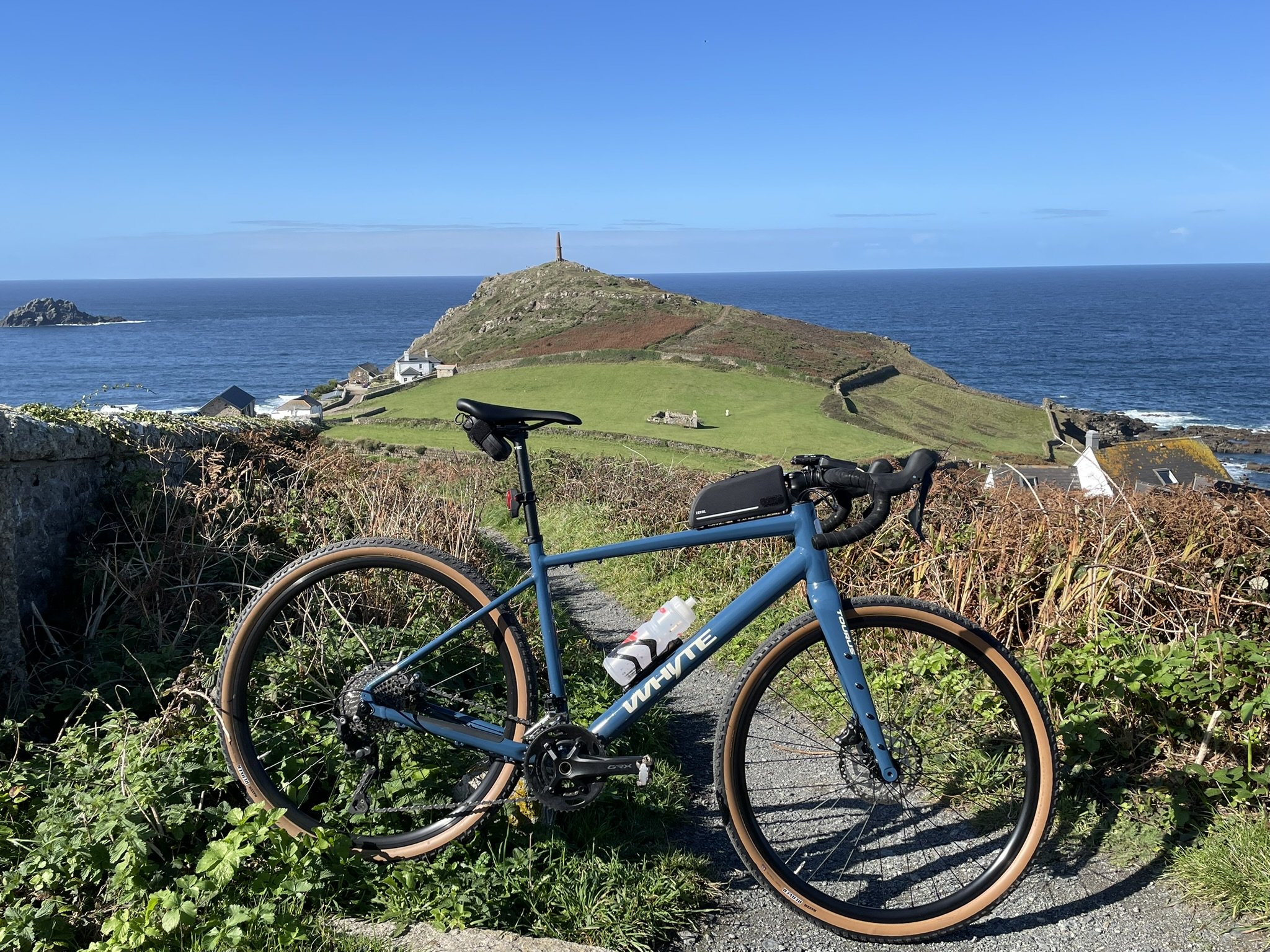
Cape Cornwall - is one of only two Capes in the UK - it was long mistaken for the most SW point - the stack at the top of the Cape has remained as a navigation point for ships and has an unusual sponsor on it - the Heinz company (as in beans) - Priests cove below the Cape has a man made tidal pool.
Returning back towards St Just we then follow the trials that take us past Botallack and onto Levant
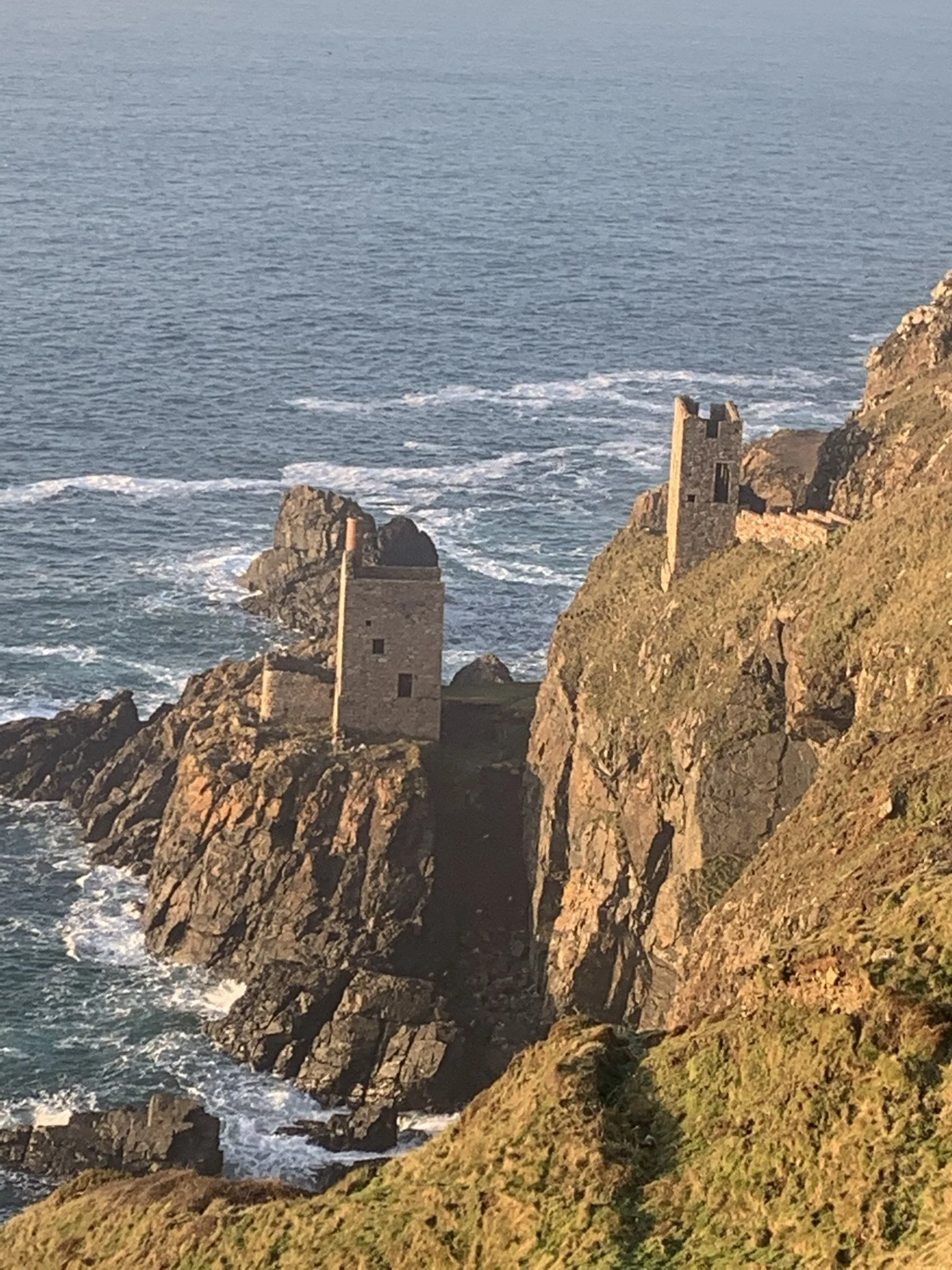
Botallack - famous for the Crowns engine houses this part of the coast is one of the most important in Cornwalls mining heritage - not only tin and latterly more significantly for its uranium - some of which was exported to Marie Curie to aid her research into radioactivity.
Levant - is the site of the under the sea mine and has a working engine house run by the National Trust - sadly the mine is most famous for the disasters the mine saw - the worst being the Man Engine disaster in 1919 when 31 miners lost their lives - devastating for a small community
We pass through Pendeen and pick up part of the Tinners Way over Chun downs passing by the Bosullows (Great and Little).
Chun Quoit and Castle - sit above the trails and offer significant views from the neolithic dolmen and the iron age fort.
We then turn towards Penzance then head back onto the trails to pass Ding Dong, before dropping back towards the bay and returning to the start town.
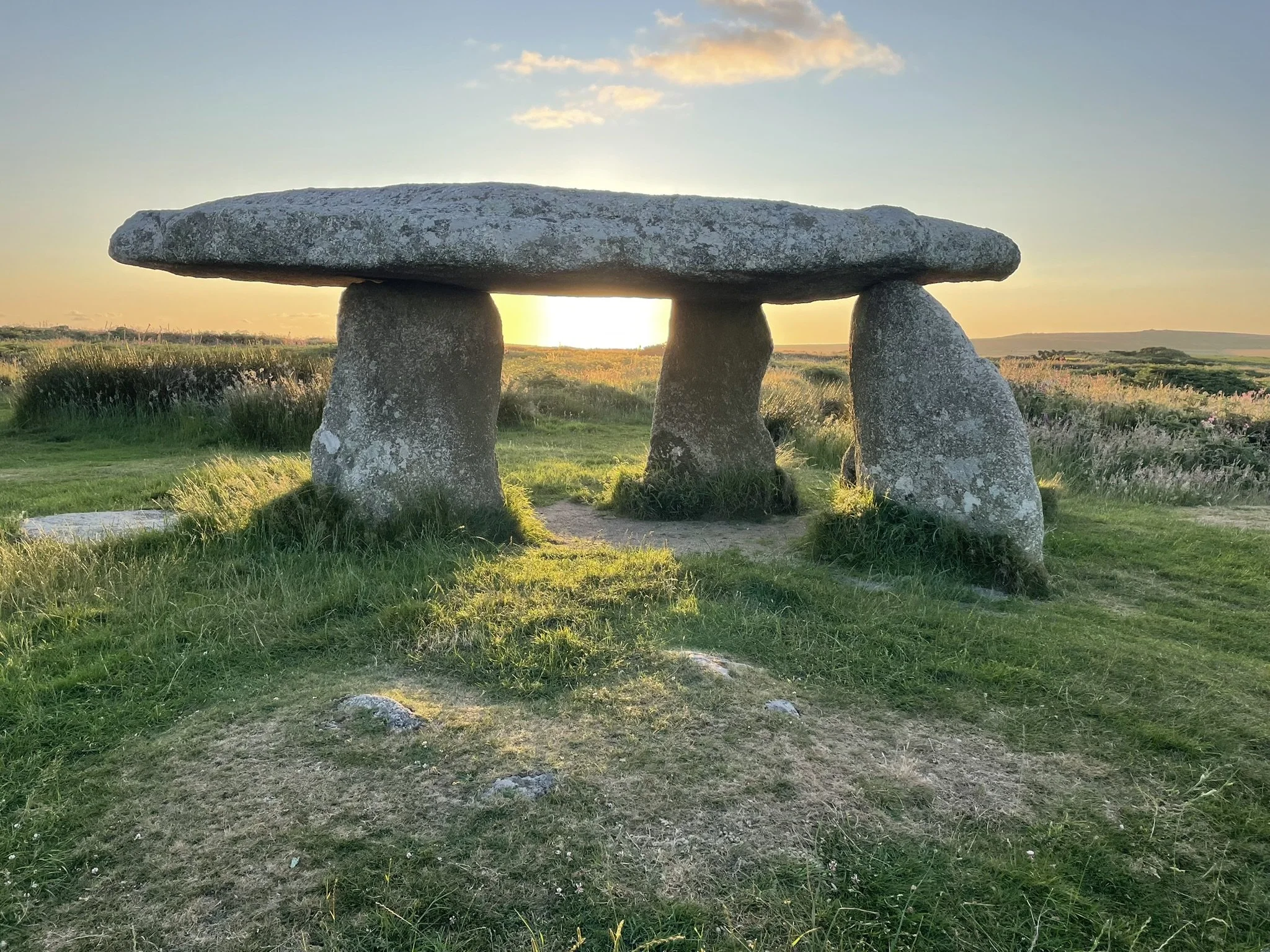
Lanyon Quoit - is a rebuilt neolithic site thought to be over 5000 years old - the whole region beyond the Quoit has significant sites including burial chambers, the famous Men an Tol and the nine maidens stone circle.
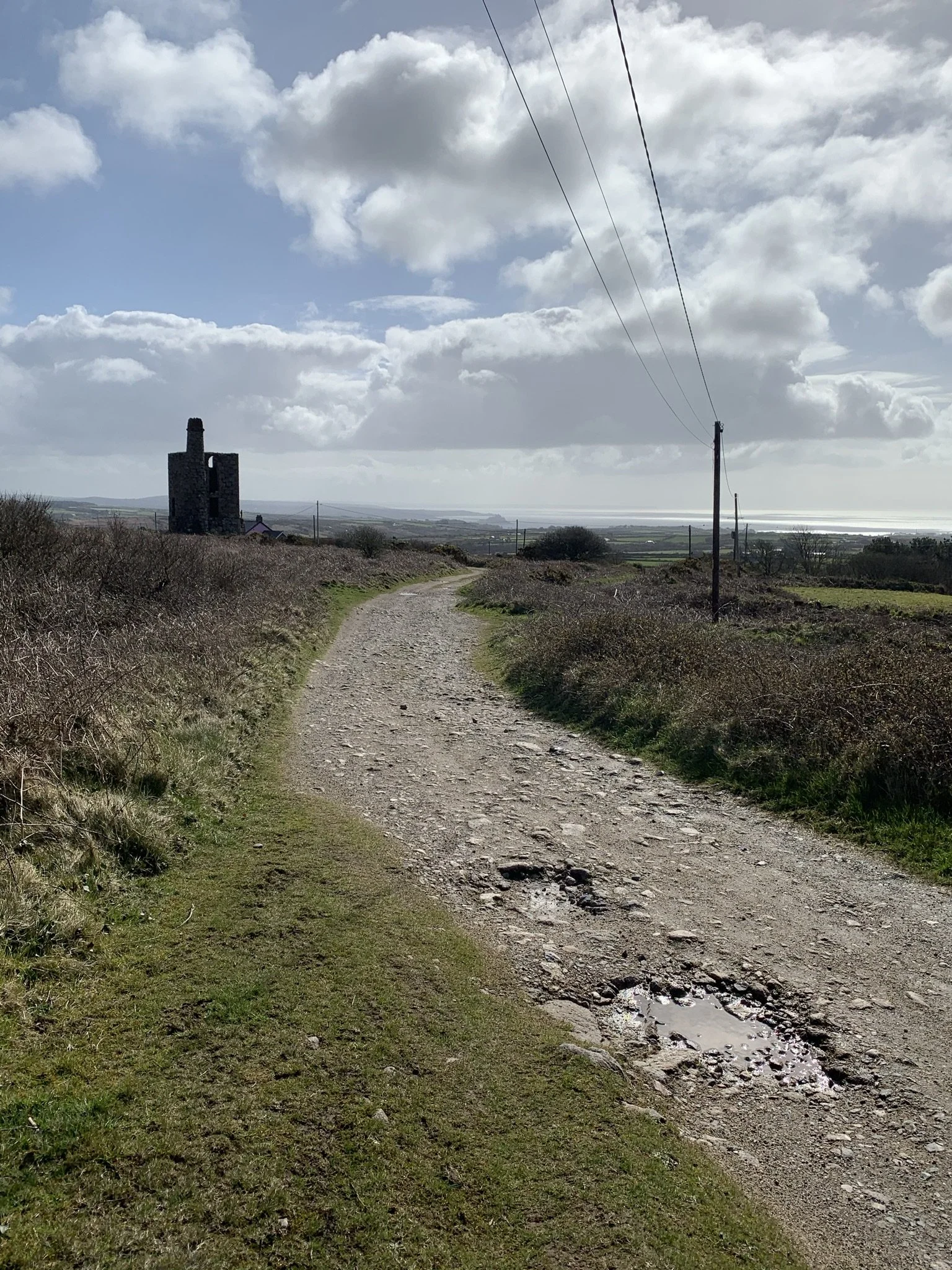
Ding Dong Mine Greenburrow Mine - is linked to Richard Trevithick and the invention of the steam pump engine - the main engine house was constructed in 1865 and officially closed in 1877 although reopened several times in the early 20th century when the price of tin improved around the time of WW1
When the route reaches Newmill we pull up to pass Chysauster an ancient village dating back to the first century.
The Wild West Weekender is a 2 day off road cycling event in aid of Cornwall Mind, Penzance Wheelers are working together with the charity and also Katy Roberts at Saddle to Sea Adventures to bring you a very special cycling event.
For more details and to book a place please visit
https://saddletoseaadventures.com/